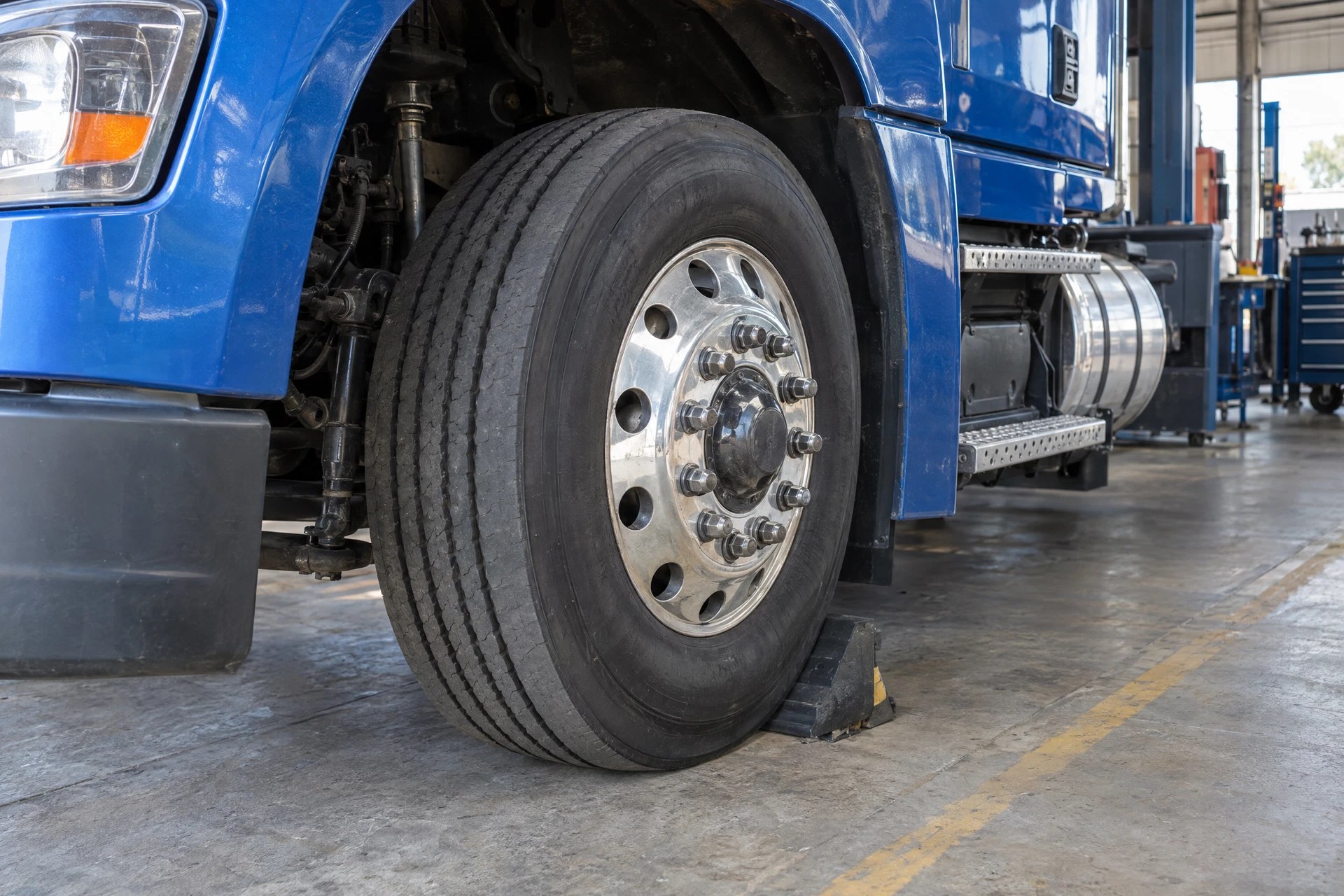
1️⃣ SPINDLE / AXLE Foundation, bearing and seal surfaces
↓
2️⃣ INNER BEARING / SEAL Supports the hub and retains lubricant
↓
3️⃣ HUB / LUBRICANT Correct lubrication and condition protect the rotating assembly
↓
4️⃣ OUTER BEARING / RETENTION Adjustment and retention are safety-critical
↓
5️⃣ BRAKE / WHEEL / TIRE Heat, contamination, looseness and vibration often become visible here
👇 Follow the warning
💧 LEAK: Trace where lubricant begins. Check seal surfaces, hub movement, lubricant/venting and installation. A new seal does not repair a damaged surface or loose hub.
🔥 HOT HUB: Stop safely if severe. Separate brake heat from bearing/hub heat, compare similar positions, then inspect lubrication and bearing adjustment/condition.
↔️ MOVEMENT: Properly support the vehicle, locate the actual moving joint and measure wheel-bearing end play/adjustment. On steer axles, separate bearing movement from kingpin movement.
🔊 GROWL / RUMBLE: Record road speed, turning, braking and load. Tires, brakes, bearings, differential and driveline can transmit similar noise.
⚠️ FAILED BEARING: Preserve evidence. Inspect lubrication, adjustment/retention, damage pattern, spindle and hub before replacing parts so the root cause is not rebuilt into the wheel end.
🧠 Wheel-end firewall
1️⃣ Where is the heat, leak, noise or movement actually originating?
2️⃣ Is the brake contributing? Brake drag can mimic or create wheel-end heat.
3️⃣ Is lubrication correct and contained? Verify level/condition and leakage.
4️⃣ Is the hub mechanically controlled? Measure adjustment/end play and inspect retention.
5️⃣ Are spindle, hub, bearing and seal surfaces reusable? Compare to manufacturer requirements.
SECURE VEHICLE → LOCATE HEAT / LEAK / MOVEMENT / NOISE → BRAKE VS HUB → LUBRICATION → MEASURE → INSPECT COMPONENTS → ROOT CAUSE → VERIFY.
⚠️ A loose, overheated, leaking or damaged wheel end can become a serious road hazard. Follow the exact wheel-end/axle manufacturer procedure and specifications. Do not operate the vehicle when wheel-end safety is in question.
More symptoms in this system
Use these focused checks alongside the system explanation above. Confirm the exact vehicle configuration and current manufacturer procedures before testing or repair.
🔥 HOT HUB / WHEEL END
First answer one question: is the heat coming from the brake or the bearing/hub?
1️⃣ STOP SAFELY: Severe heat, smoke, odor, looseness or lubricant loss can indicate an unsafe wheel end. Do not continue driving to “see if it clears.”
2️⃣ COMPARE: Compare similar wheel positions under similar service conditions. Temperature alone needs context.
3️⃣ BRAKE HEAT: Inspect for brake drag, incomplete release, adjustment/mechanical issues and related air-brake causes before blaming the bearing.
4️⃣ LUBRICATION: Check wheel-end lubricant level, condition and evidence of leakage or contamination using the applicable hub design procedure.
5️⃣ BEARING / ADJUSTMENT: Measure movement/end play and inspect bearing/retention condition according to manufacturer specifications.
6️⃣ VERIFY: After repair, confirm normal release, lubrication and temperature behavior under comparable operation.
⚠️ An overheated wheel end can fail catastrophically or ignite. Treat severe heat as a road-safety issue.
⚠️ WHEEL BEARING FAILURE
Replacing damaged bearings without finding why they failed risks repeating the failure.
1️⃣ PRESERVE EVIDENCE: Note heat, noise, lubricant loss, looseness and service history before cleaning/disassembly erases clues.
2️⃣ LUBRICATION: Determine whether lubricant quantity, type, contamination or leakage contributed. Look for evidence rather than assuming.
3️⃣ ADJUSTMENT / RETENTION: Inspect the applicable spindle nuts, locking system and signs of incorrect end play, preload or component movement.
4️⃣ BEARING / RACE PATTERN: Inspect damage patterns according to bearing/wheel-end manufacturer guidance. Heat discoloration, scoring, spalling and other damage can point toward different causes.
5️⃣ SPINDLE + HUB: A bearing failure can damage mounting, race or seal surfaces. Inspect all reusable parts against manufacturer limits before assembly.
6️⃣ ROOT CAUSE + VERIFY: Correct the cause, assemble/lubricate/adjust using the exact procedure, then recheck temperature, leakage and end play as required.
⚠️ Suspected bearing failure can lead to wheel-end separation or fire. The vehicle should not be operated until the wheel end is proven safe.
↔️ LOOSE WHEEL BEARING / HUB MOVEMENT
Movement at the wheel is a safety warning. Locate and measure it instead of diagnosing by feel alone.
1️⃣ SECURE + SUPPORT: Use the vehicle/axle manufacturer’s approved lifting and support points before checking movement.
2️⃣ LOCATE THE MOVEMENT: Watch the hub relative to the spindle/axle. On steer axles, separate wheel-bearing movement from kingpin/knuckle movement.
3️⃣ MEASURE: Measure bearing end play or adjustment by the exact wheel-end manufacturer procedure. Do not use a generic universal limit.
4️⃣ INSPECT RETENTION: If adjustment is wrong, determine why. Inspect the applicable spindle threads, nuts, locking/retention system and evidence of movement.
5️⃣ BEARING / SPINDLE / HUB: If service is required, inspect bearing/race condition and the relevant spindle/hub surfaces before simply readjusting.
6️⃣ VERIFY: Complete the specified adjustment/retention procedure and remeasure before return to service.
SUPPORT → LOCATE MOVEMENT → MEASURE → RETENTION → BEARING / SPINDLE / HUB → ADJUST / REPAIR → REMEASURE.
⚠️ Do not operate a truck with unresolved wheel-end looseness. Wheel bearing adjustment and retention are safety-critical.
🔊 WHEEL-END GROWL / RUMBLE
Noise can travel through the chassis. Do not condemn a bearing from sound alone.
1️⃣ DEFINE THE NOISE: Record road speed, acceleration/coast, braking, turning and loaded/unloaded conditions.
2️⃣ TIRES / WHEELS: Irregular tire wear can create a bearing-like roar. Inspect tread pattern, wheel condition and obvious damage first.
3️⃣ BRAKES: Check for drag, contact or heat that changes with brake application.
4️⃣ WHEEL END: Inspect lubricant condition/level as applicable, hub temperature, movement/end play and bearing condition by the manufacturer procedure.
5️⃣ AXLE / DRIVELINE: If the noise is not isolated to the hub, continue into differential and driveline diagnosis rather than forcing the wheel-bearing conclusion.
6️⃣ VERIFY: Recreate the same speed/load condition after the proven repair.
⚠️ A noisy wheel end accompanied by heat, looseness or lubricant loss requires immediate safety inspection.
💧 WHEEL SEAL KEEPS LEAKING
A repeat leak means the job is not just “replace the seal again.” Find what is defeating the seal.
1️⃣ CONFIRM THE SOURCE: Clean and trace where lubricant begins. Separate hub/seal leakage from other nearby fluids or old residue.
2️⃣ SEALING SURFACES: Inspect the applicable spindle/hub seal surfaces for wear, grooves, corrosion, damage or incorrect repair surfaces.
3️⃣ HUB MOVEMENT: Incorrect bearing adjustment or damaged bearings can allow movement that affects sealing. Measure by the exact wheel-end procedure.
4️⃣ LUBRICANT / VENTING: Verify correct lubricant, level and hub/axle venting where applicable. Overfill, contamination or pressure problems can contribute.
5️⃣ INSTALLATION: Confirm the correct seal/application, installation depth/orientation and approved tools/procedure. Inspect the hub/spindle for damage caused during prior service.
6️⃣ BRAKES + VERIFY: If lubricant reached friction components, service them per manufacturer requirements. Recheck leakage after operation.
CONFIRM SOURCE → SEAL SURFACE → HUB MOVEMENT → LUBE / VENT → INSTALLATION → BRAKES → VERIFY.
⚠️ Lubricant-contaminated brakes and low wheel-end lubricant are serious safety concerns. Follow manufacturer replacement/service requirements.